

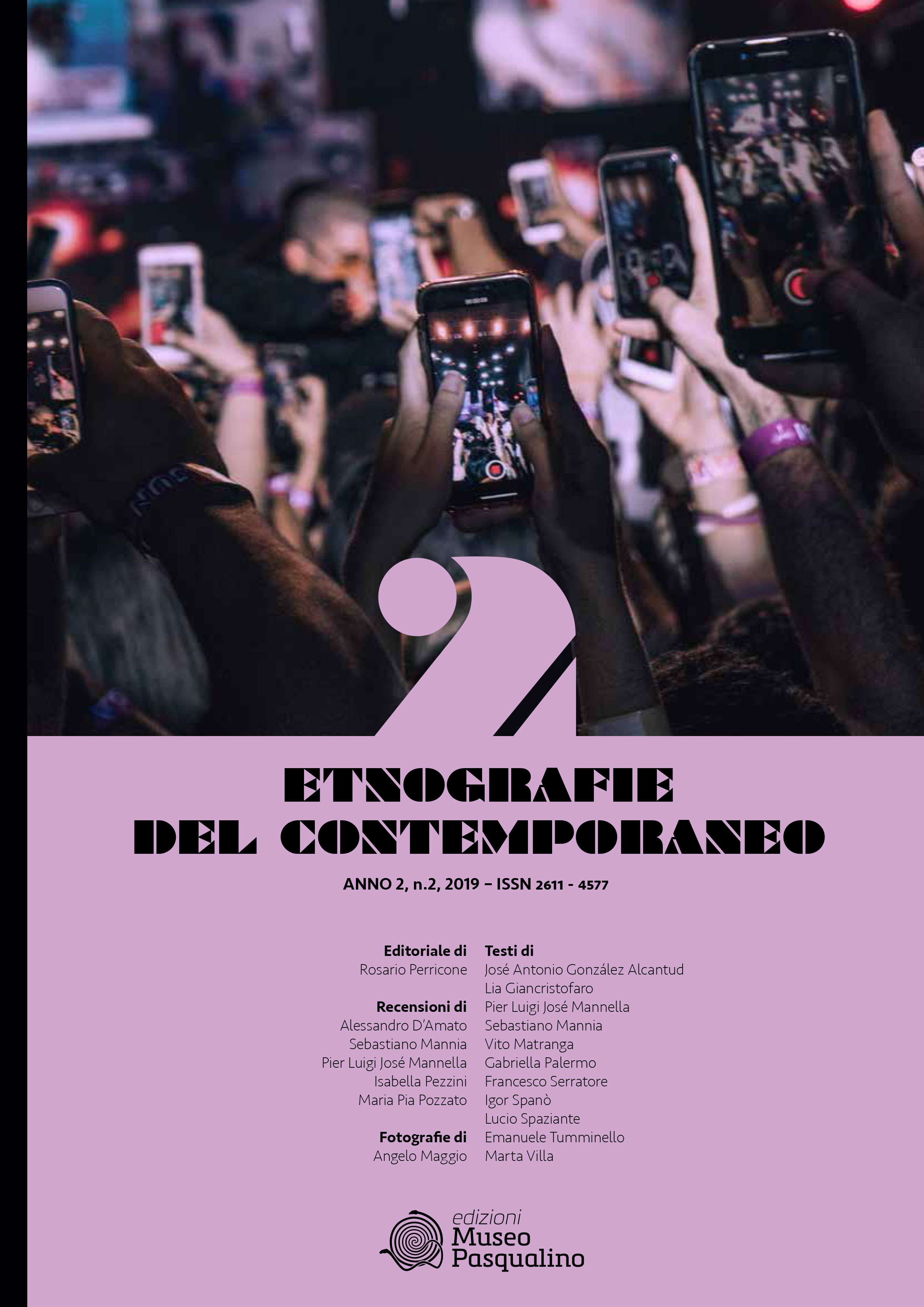
ETNOGRAFIE DEL CONTEMPORANEO _ n. 2 /2019
16,00€
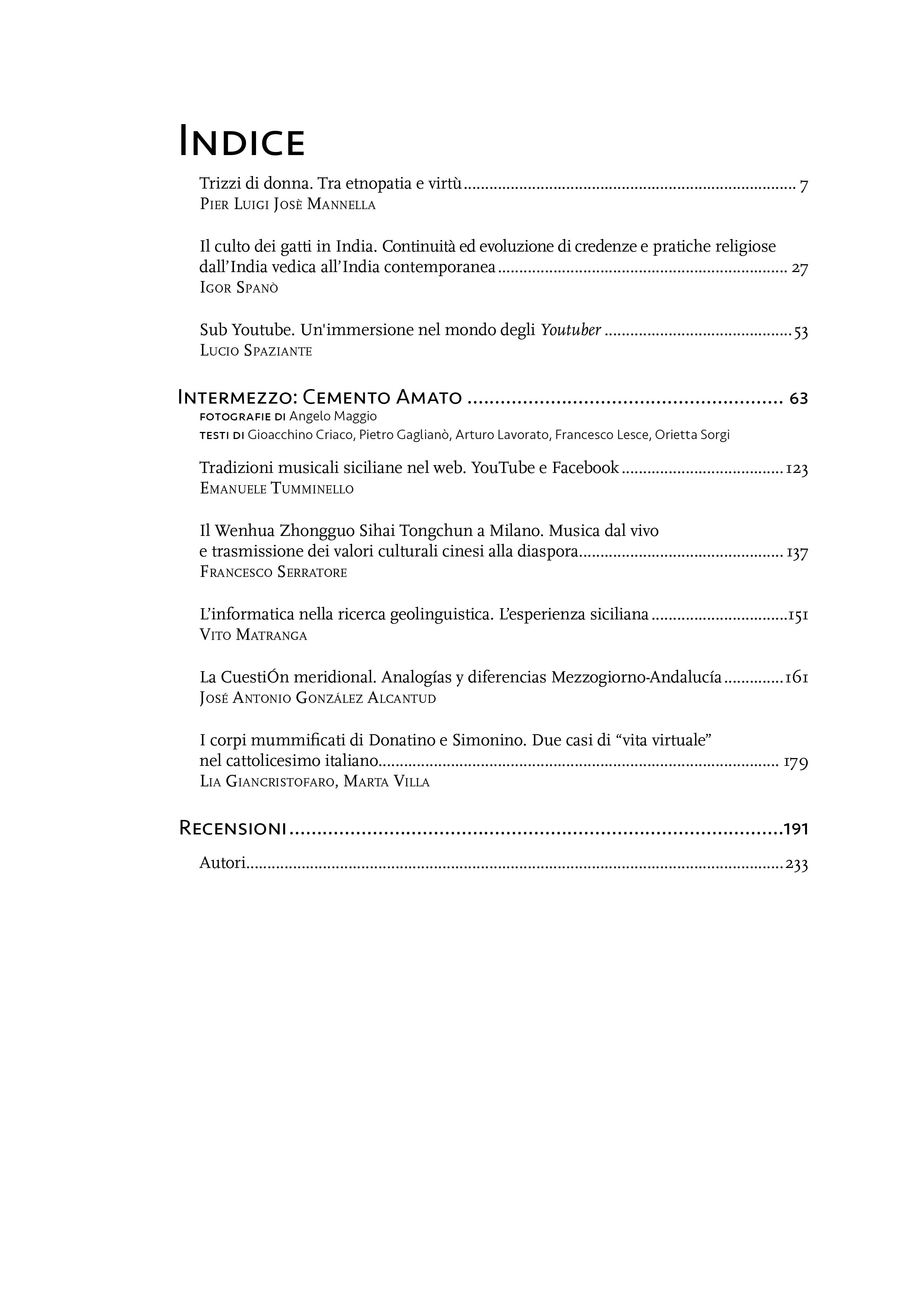
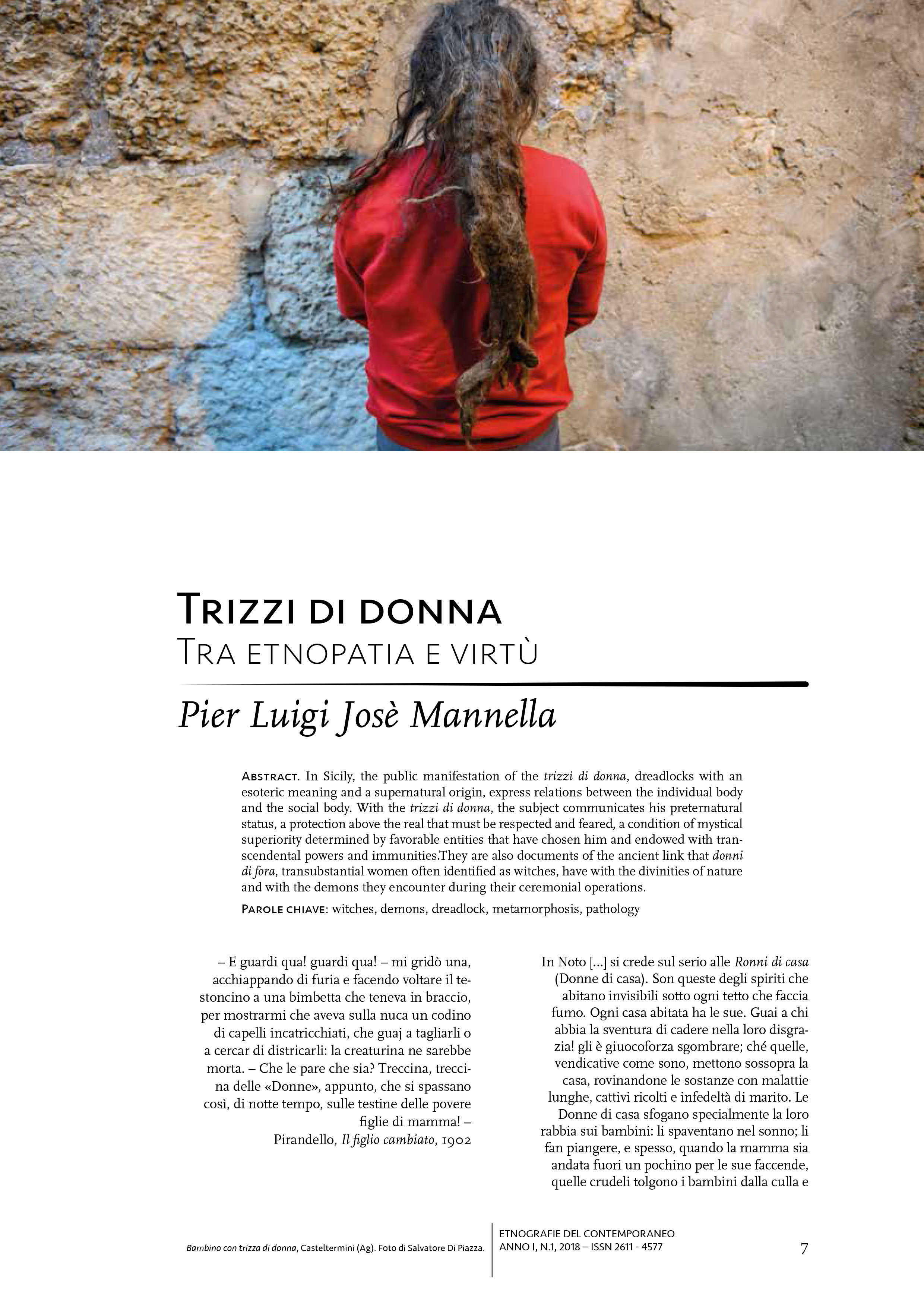
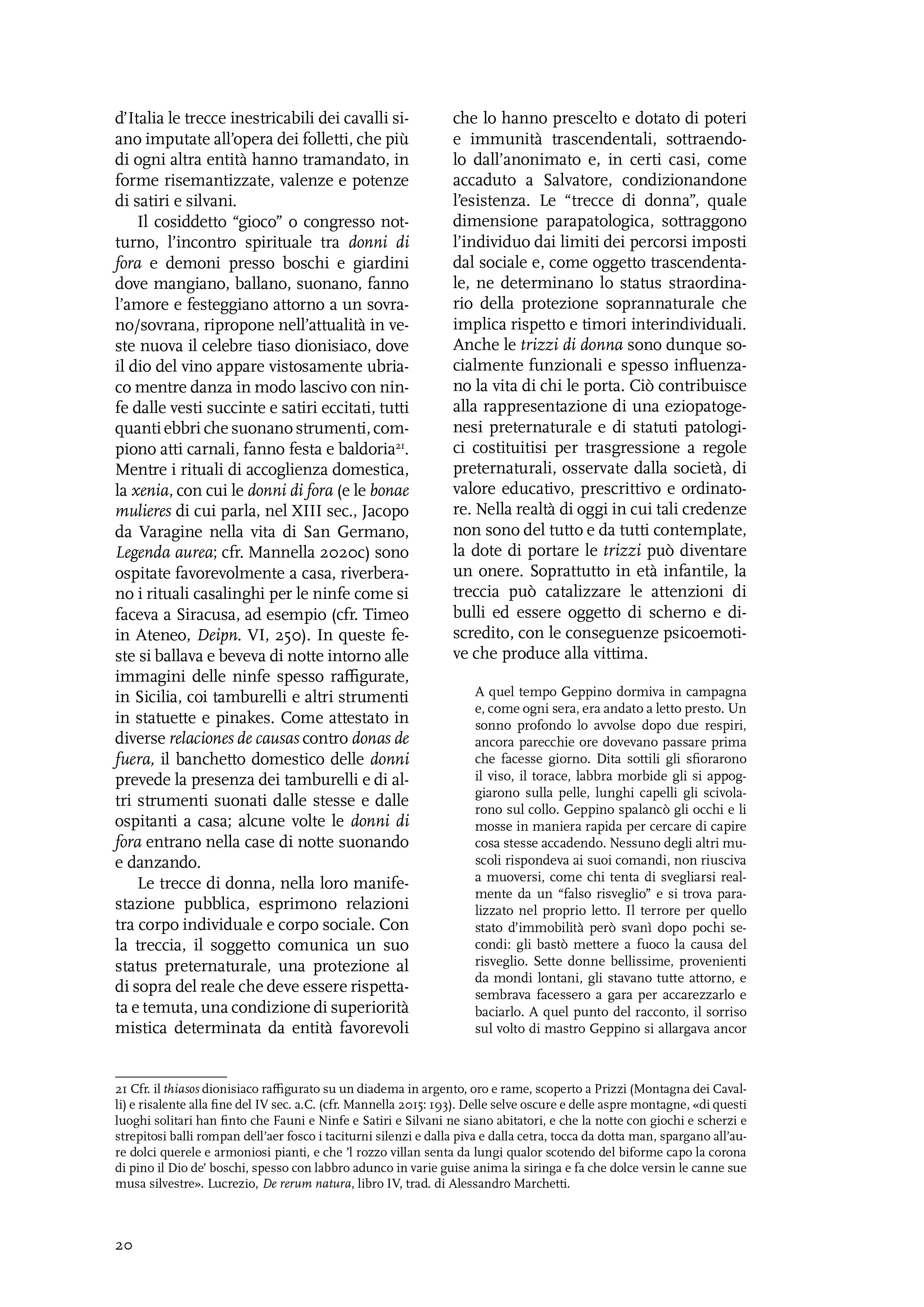
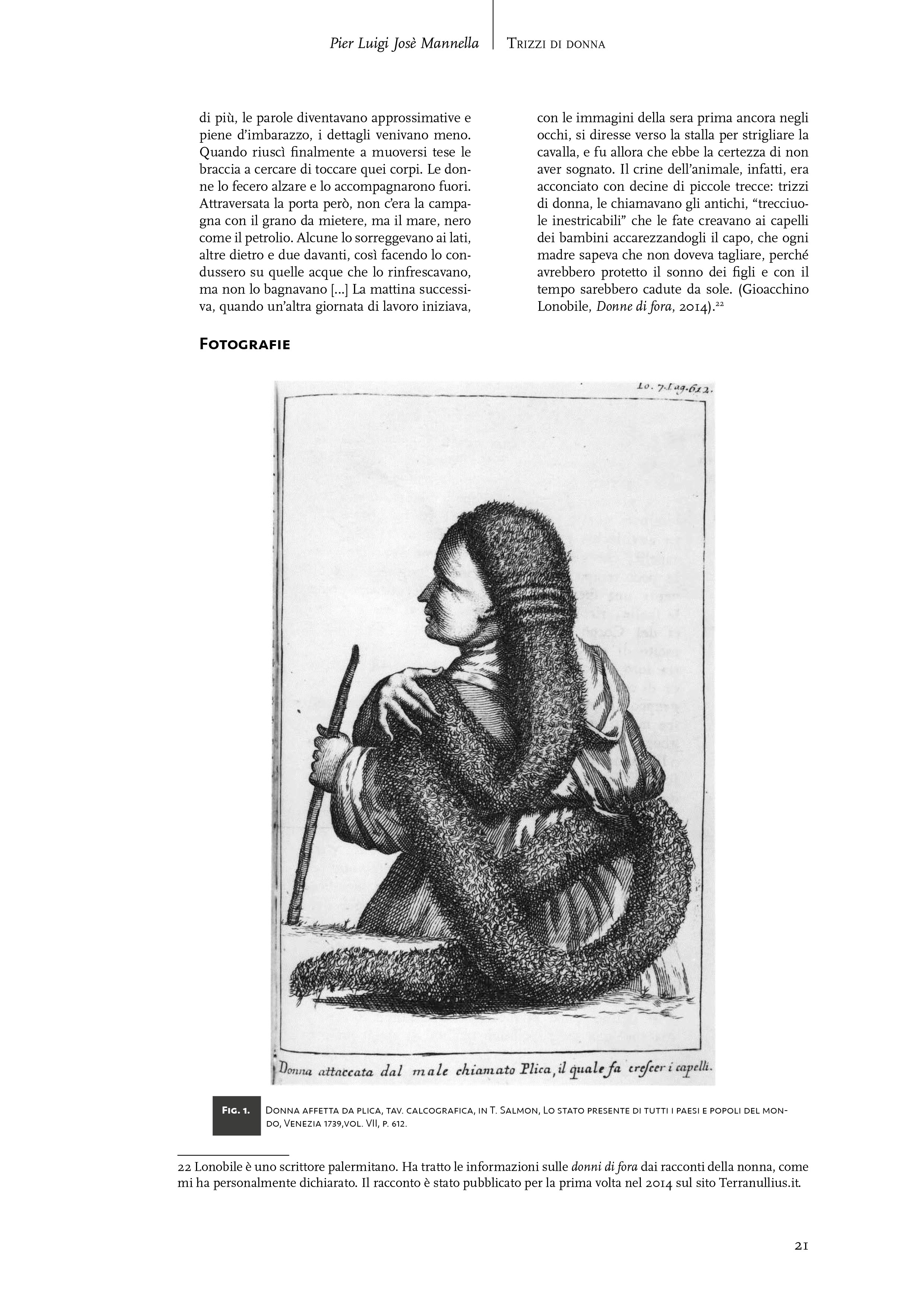
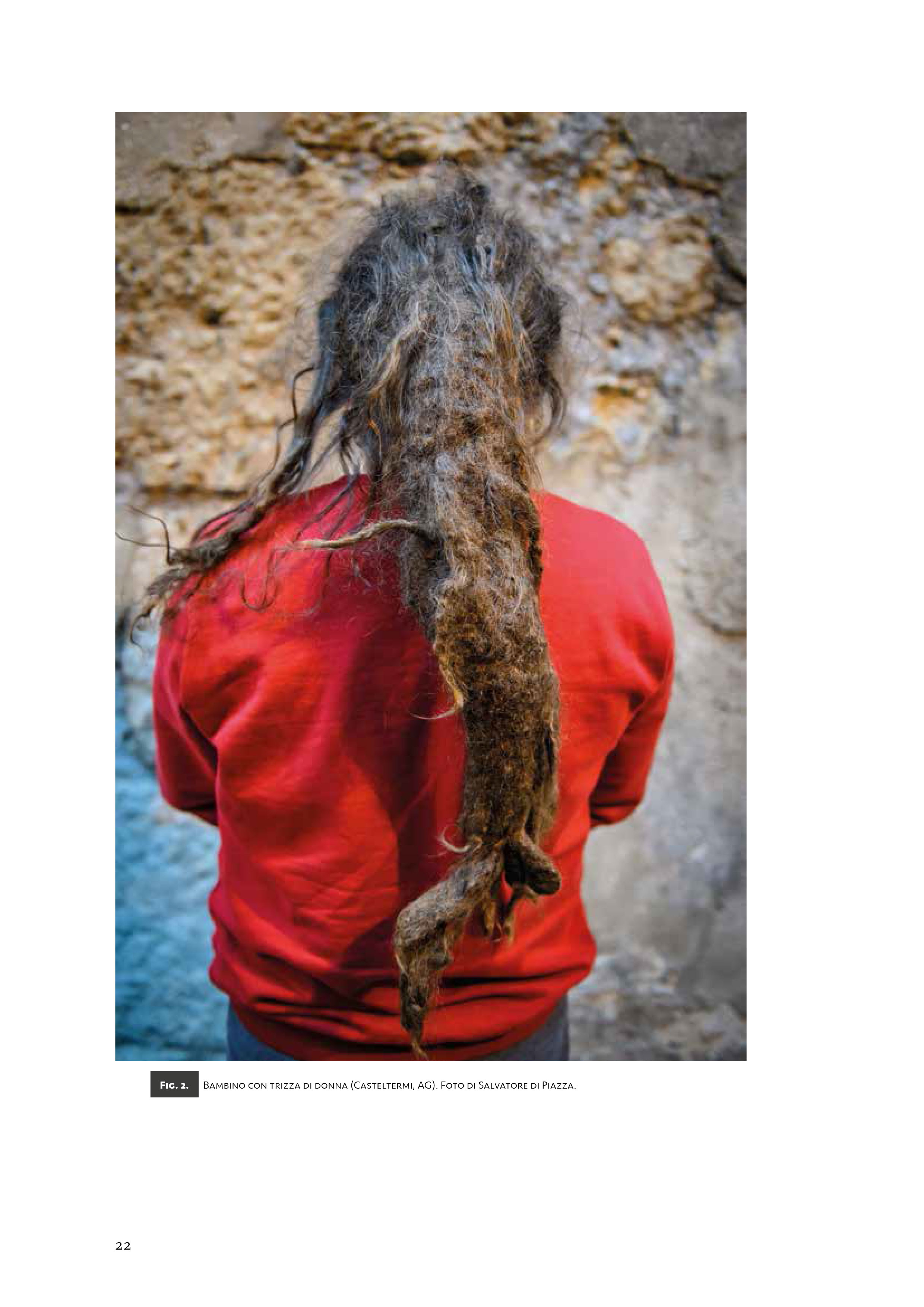
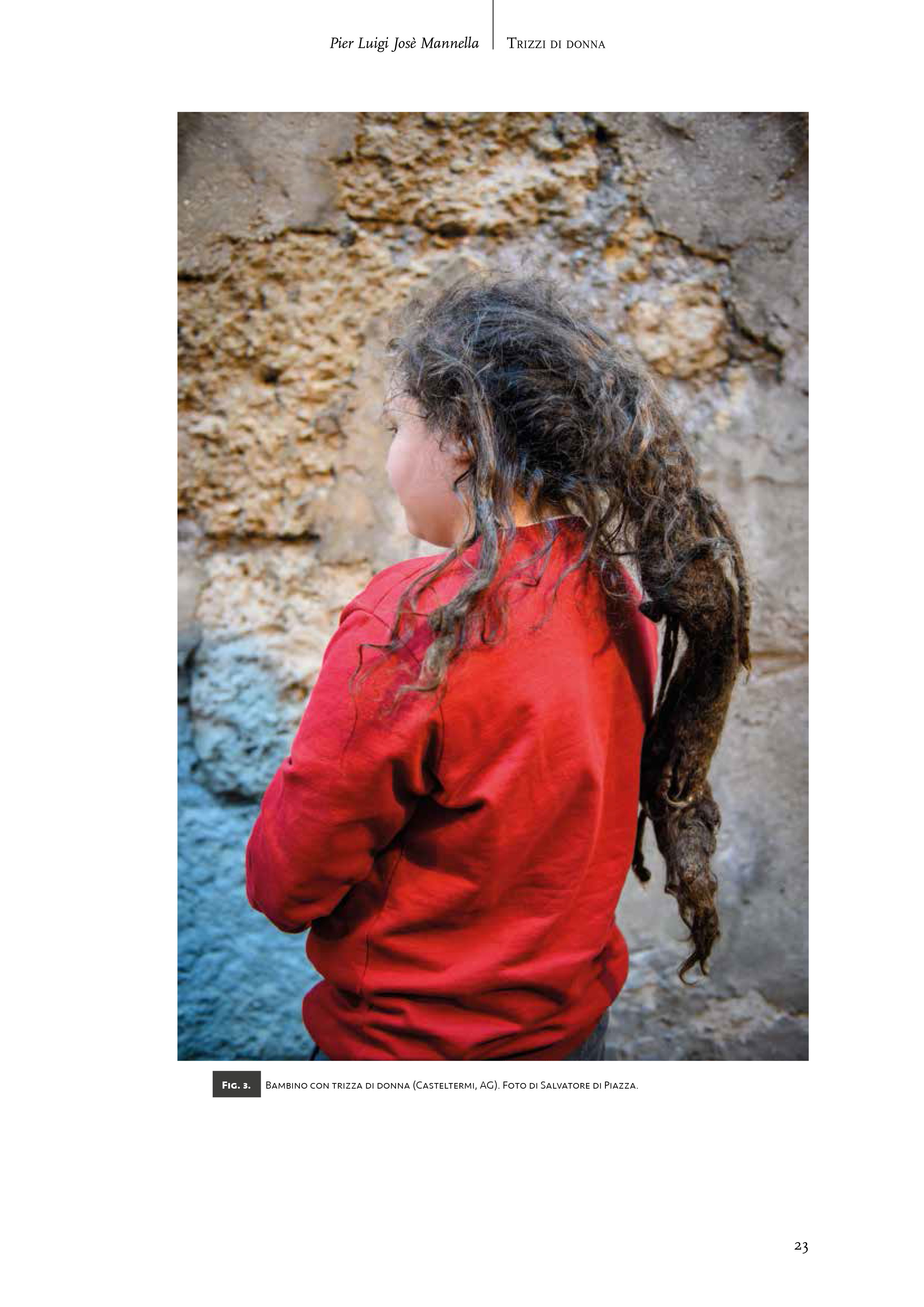
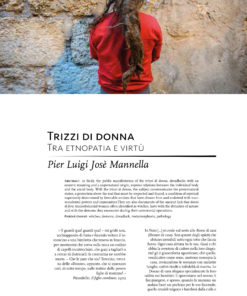
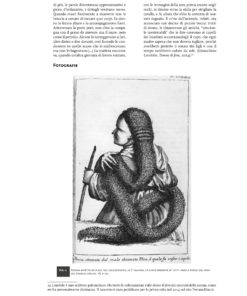
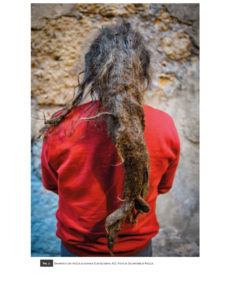
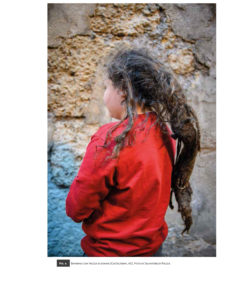
Questo secondo numero di Etnografie del contemporaneo si articola in due sezioni e un intermezzo fotografico.La prima sezione raccoglie testi che affrontano tematiche di carattere storico-religioso come il culto dei gatti in alcune pratiche religiose contemporanee della tradizione indiana (Spanò), due culti religiosi italiani ancora attivi che si focalizzano su due bambini mummificati “Simonino” e “Donatino” (Giancristofaro e Villa), le trizzi di donna in Sicilia (Mannella), dreadlock che si suppongono di origine soprannaturale e la comparazione da un punto di vista dell’antropologia politica tra due regioni del Sud Europa (Alcantud). Tra la prima e la seconda sezione è inserito un intermezzo fotografico dal titolo Cemento amato che presenta il progetto sul “non finito” calabrese di Angelo Maggio. La seconda sezione propone una riflessione sui social media e ragiona sui processi attraverso i quali vengono costruite le nuove icone virtuali (Spaziante), sul web come strumento di trasmissione delle tradizioni musicali orali (Tumminello) o di conservazione e fruizione dei dialetti (Matranga) e delle pratiche di costruzione delle identità diasporiche attraverso le performance musicali dal vivo (Serratore).
Prodotti correlati
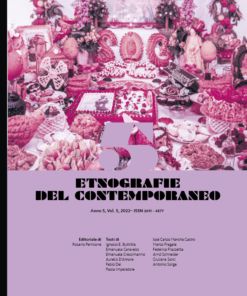
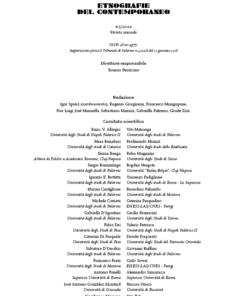
Etnografie del contemporaneo ANNO 5, VOLUME 5 Edizioni Museo Pasqualino, Palermo 2022 ISSN 2611 – 4577 ______________ INDICE Editoriale Rosario Perricone Il quarto principio della memoria culturale. Per un’antropologia delle rievocazioni storiche Fabio Dei Dalla morte la vita. Osservazioni intorno alla sacralita del cibo Ignazio E. Buttitta Migranti in Sicilia. Transiti, mete, restanze Antonio Sorge [...]
Questo prodotto ha più varianti. Le opzioni possono essere scelte nella pagina del prodotto
Etnografie del contemporaneo ANNO I, n.1 Edizioni Museo Pasqualino, Palermo 2018 ISSN 2611 – 4577 _____________ In questo numero: Editoriale ROSARIO PERRICONE Lo sciamanesimo nella Siberia orientale. Alcuni aspetti delle relazioni tra umani e non-umani LIA ZOLA Memoria e patrimonio. Interpretazioni e strategie mozambicane ROSA TOLLA Epifanie teriomorfe negli incantesimi siciliani. Alcune tipologie PIER LUIGI [...]
Questo prodotto ha più varianti. Le opzioni possono essere scelte nella pagina del prodotto

Etnografie del contemporaneo Gentrificazione e margini ANNO 3, VOLUME 3 Edizioni Museo Pasqualino, Palermo 2020 ISSN 2611 – 4577 _____________ Quasi un numero monografico dedicato a “Gentrificazione e margini” che affronta sotto molteplici prospettive disciplinari (antropologiche, sociologiche, semiotiche,urbanistiche ecc.), il concetto di gentrificazione, calco italiano dall’inglese “gentrification”, coniato dalla sociologa britannica Ruth Glass nel suo [...]


Etnografie del contemporaneo Donne, corpi, territori ANNO 4, VOLUME 4 Edizioni Museo Pasqualino, Palermo 2021 ISSN 2611 – 4577 _____________ In questo numero presentiamo, nella parte monografica, le relazioni tenute al V ciclo del Seminario permanente Etnografie del Contemporaneo incentrato quest’anno sul tema Donne, corpi, territori. Il ciclo di seminari mirava ad offrire un’occasione di [...]

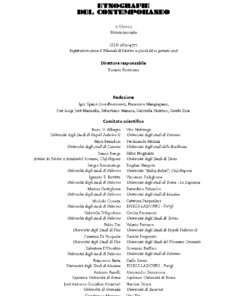
Etnografie del contemporaneo ANNO 6, VOLUME 6 Edizioni Museo Pasqualino, Palermo 2023 ISSN 2611 – 4577 __________ INDICE Editoriale Rosario Perricone Piccoli musei della restanza. Cammini di memoria e di resistenza. VITO TETI I musei,tra nuove missioni e vecchie immagini. PIETRO CLEMENTE Il Museo della Cultura Arbéreshe di San Paolo Albanese. Diversità linguistica e culturale in [...]
Questo prodotto ha più varianti. Le opzioni possono essere scelte nella pagina del prodotto