

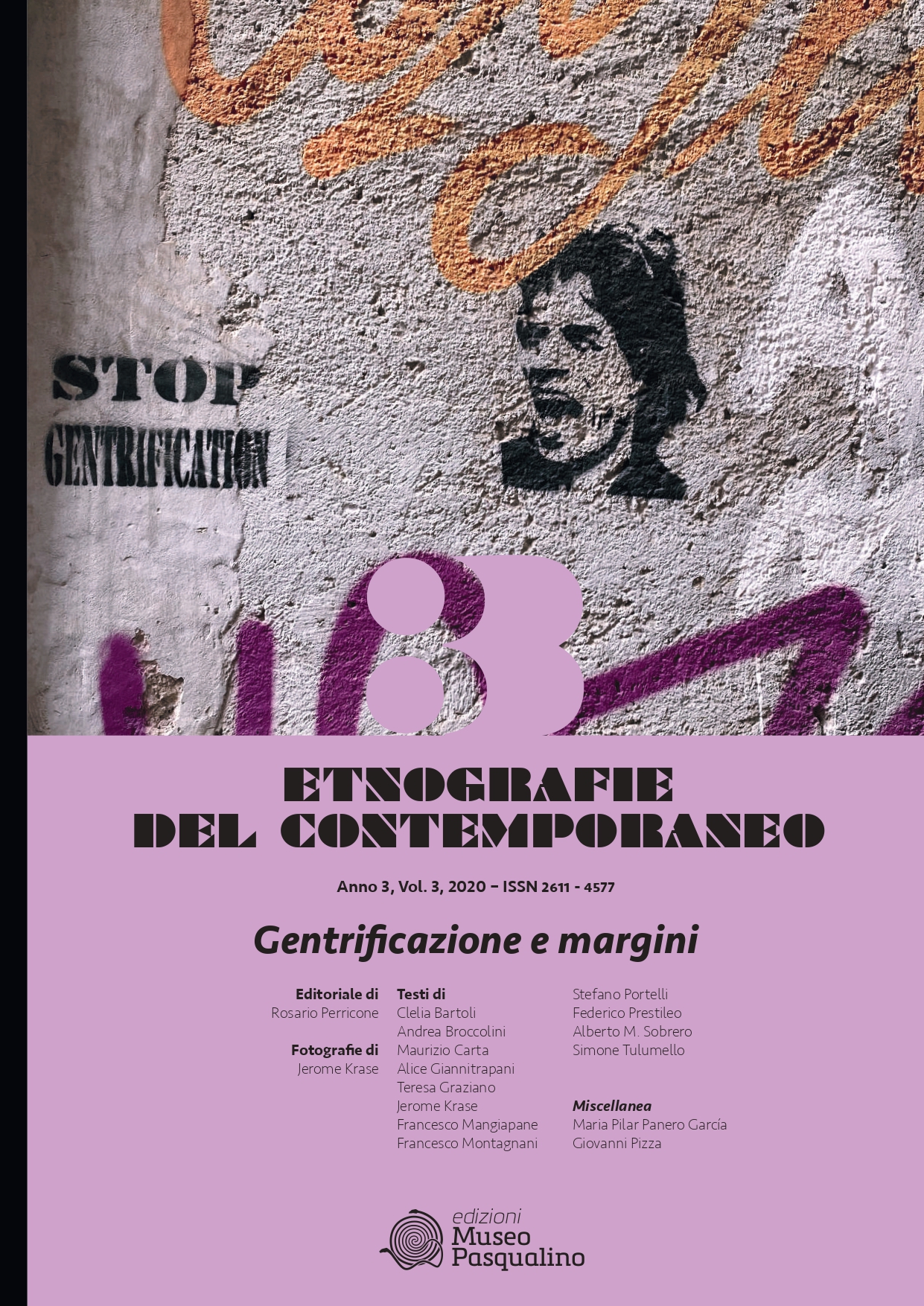






ETNOGRAFIE DEL CONTEMPORANEO: GENTRIFICAZIONE E MARGINI _n. 3/2020
16,00€
Etnografie del contemporaneo Gentrificazione e margini
ANNO 3, VOLUME 3
Edizioni Museo Pasqualino, Palermo 2020
ISSN 2611 – 4577
_____________
Quasi un numero monografico dedicato a “Gentrificazione e margini” che affronta sotto molteplici prospettive disciplinari (antropologiche, sociologiche, semiotiche,urbanistiche ecc.), il concetto di gentrificazione, calco
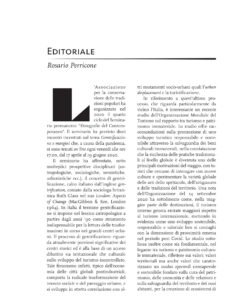
italiano dall’inglese “gentrification”, coniato dalla sociologa britannica Ruth Glass nel suo “London: Aspects of Change”. In Italia il termine gentrificazione si impone nel lessico antropologico a partire dagli anni ‘90 come strumento indispensabile per la lettura delle trasformazioni in corso nei grandi centri urbani. Il processo di gentrificazione riguarda attualmente porzioni significative dei centri storici ed è alla base di un acceso dibattito sia istituzionale che culturale sullo sviluppo del turismo incontrollato. Tale fenomeno infatti, tipico dell’economia delle città globali postindustriali, comporta la radicale trasformazione del tessuto sociale e del
paesaggio urbano, e si sviluppa in stretta correlazione con altri mutamenti socio-urbani quali l’urban displacement e la turistificazione.
Gli interventi raccolti in questo numero della rivista sono il frutto dall’omonimo ciclo di seminari. Pensato prima della pandemia e svoltosi durante il primo lockdown, esso implicitamente affronta i temi della ripartenza post pandemia, perché un fatto è certo: non si potrà far finta che nulla sia successo e i processi di gentrificazione e turistificazione dimostrano l’insostenibile pesantezza dell’essere turista globale in questa “nuova era oscura”, per citare il titolo del libro di James Bridle.
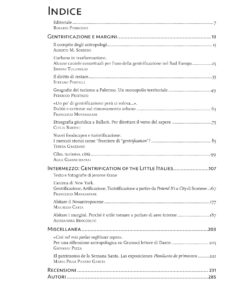
In questo numero:
Editoriale
Rosario Perricone
GENTRIFICAZIONE E MARGINI
Il compito degli antropologi
Alberto M. Sobrero
L’urbano in trasformazione
Alcune cautele concettuali per l’uso della gentrificazione nel Sud Europa
Simone Tulumello
Il diritto di restare
Stefano Portelli
Geografie del turismo a Palermo. Un monopolio territoriale
Federico Prestileo
«Un po’ di gentrificazione però ci voleva…».
Dubbi e certezze sul rinnovamento urbano
Francesco Montagnani
Etnografia giuridica a Ballarò. Per dirottare il verso del sapere
Clelia Bartoli
Nuovi foodscapes e turistificazione.
I mercati storici come “frontiere di “gentrification”?
Teresa Graziano
Cibo, turismo, città
Alice Giannitrapani
INTERMEZZO:GENTRIFICATION OF THE LITTLE ITALIES
Testo e fotografie di Jerome Krase
L’anima di New York.
Gentrificazione, Artificazione, Turistificazione a partire da Pretend It’s a City di Scorsese
Francesco Mangiapane
Abitare il Neoantropocene
Maurizio Carta
Abitare i margini. Perché è utile tornare a parlare di aree interne
Alessandra Broccolini
MISCELLANEA
«Così nel mio parlar vogli’esser aspro».
Per una riflessione antropologica su Gramsci lettore di Dante
Giovanni Pizza
El patrimonio de la Semana Santa. Las exposiciones Plenilunio de primavera
Maria Pilar Panero García
Prodotti correlati
Editoriale Beni culturali: lo stato delle cose Vito Lattanzi Intervista 1. Anna Paini / Adriano Favole e Emmanuel Kasarhérou Miscellanea 1. La cultura popolare tradizionale secondo il Touring Club Italiano Mariano Fresta 2. L’operazione Betile. Un museo per l’arte a Cagliari Paolo Sanjust Galleria 1. Ludus. Museo del giocattolo di Sezze Vincenzo Padiglione, Fabio Luffarelli, [...]

Editoriale Feticismi visuali Massimo Canevacci Intervista Lattanzi/Padiglione e Fabrizio Sabelli Miscellanea 1. Restauro e recupero di oggetti etnografici José Luis Alonso Ponga 2. Materie in maschera. Le plastiche, storie, usi, design Paola de Sanctis Ricciardone 3. Patrimonio materiale e immateriale Rosmarie Beier-de Haan Galleria 1.TEPOTRATOS Andrea Cresti Progetti/realizzazioni 1. I suoni in mostra. Una strategia [...]
Introduzione Paolo Piquereddu Presentazione Vincenzo Padiglione Abito Gian Paolo Gri Arte Egidio Cossa – Elvira Stefania Tiberini Confini Ugo Fabietti Differenze Vito Lattanzi Digitale Antonio Marazzi Ecologia Cristina Grasseni – Francesco Ronzon Etnofiction Massimo Canevacci Film Cecilia Pennacini Fonti Sandra Puccini Immagine Clara Gallini Immateriale Antonello Ricci – Roberta Tucci Inquadrare Felice Tiragallo Iperluogo Berardino [...]
Editoriale Museografia del contemporaneo Vincenzo Padiglione Intervista Cristofano / Maltese e Mariano Pavanello Miscellanea 1. Altre storie, altri contesti: considerazioni su maschere e musei Cesare Poppi 2. Che fine ha fatto l’impero britannico? Giuseppina Muzzopappa 3. “Attriti museali”: dalle zone di contatto alle friction globali Sandra Ferracuti Galleria 1. La marque jeune al Musée d’Ethnographie di Neuchâtel [...]
Editoriale Ospite Lettera al Papa Francesco Remotti Intervista Lattanzi/Padiglione e Marisa Dalai Emiliani Miscellanea 1. Musei e mondo postcoloniale: un progetto canadese sulle culture aborigene della Regione dei Grandi Laghi Emanuela Rossi 2. Traduzioni magüta: pensiero ticuna e patrimonio culturale Priscilla Faulhaber 3. Dall’Archivio Cocchiara: nuovi contributi per una storia del Museo Etnografico Siciliano Alessandro [...]

Protagonisti di questo volume sono autori inediti come l’ingegnere bolognese Carlo Giampiccolo o lo scultore afgano Alikhan Abdollahi, e altri invece già molto noti come Anna Zemánková con le sue fantasie floreali di natura spirituale. Da questi casi prende avvio la riflessione su definizioni e terminologia, ma anche su metodologie curatoriali e interpretative (Warburg, Didi-Hubermann). [...]

Editoriale Ritorno al futuro Intervista 1.Carlo Orefice / Emanuela Rossi e quattro museografi angolani Monografica 1. Africa e museo A.C.A. 2. L’etnologia e i musei in Africa: siti archeologici, paesaggi culturali memorie orali Roberta Cafuri 3. Reinventing Africa: i musei africani e le sfide del XXI secolo Anna Maria Pecci (con un’intervista al presidente dell’AFRICOM) [...]
Editoriale Del buon uso del visualismo. La lezione di Jean Rouch Vincenzo Padiglione Intervista 1. Clemente/Padiglione e La Cecla Miscellanea 1. Le reliquie di Elvis culto impresa museografica Paola de Sanctis Ricciardone 2. La collezione e i suoi contesti. Un’esperienza di catalogazione al Pigorini Rosa Anna Di Lella Collezione/museo 1. Tra passione e storia: il Museo [...]